Categories
Doctors Featured News Nutrition NYC Wellness

Weill Cornell Medicine Releases Scheduling Changes

A STATEMENT FROM WEILL CORNELL MEDICINE

Our patients’ health and safety are our top priorities at Weill Cornell Medicine.
As part of our core mission and commitment to care, we continue to focus on the health and safety of you, your loved ones and our staff. Our team at Weill Cornell Medicine is centered around providing care for the sickest of patients and those who are in need during this unprecedented time.
We are taking a number of precautionary steps to minimize the risk of exposure to patients and our community. These changes will help us further concentrate the use of our equipment, preserve supplies and shift our healthcare resources during this healthcare emergency so that we may provide care to those who need it most.
NOTICE TO ALL PATIENTS:
Elective procedures are postponed and routine care visits are now cancelled.
In response to the current COVID-19 public health crisis, we have made the decision to postpone elective procedures and cancel all non-urgent office visits beginning immediately and until further notice.
We ask that you please contact your physician’s office to receive more information about your specific care, including rescheduling.
Please do not walk in to any of our practices without an appointment. We ask that you first call the hotline or our practice staff before visiting any of our locations.
What to do if you have an upcoming non-urgent, routine visit: 
If you have an upcoming visit that you consider non-urgent and routine, we kindly ask that you cancel your visit through Weill Cornell Connect or by contacting your provider’s practice.
Please have patience with our staff as we are experiencing high call volume.
If you need to keep your appointment, please reach out to your practice to inquire about Video Visits. Many of our Primary Care and specialty physicians have increased the usage of Telemedicine services for both adults and children during this time.
To stay up to date on the latest information and updates to our policies, please visit our dedicated COVID-19 webpage or our patient news page which include answers to your most frequently asked questions.
A hotline has been established for the patients of NewYork-Presbyterian, Weill Cornell Medicine and Columbia Doctors.
If you or your family is concerned about symptoms, have questions about testing or would like to speak with someone about any other COVID-19 related concerns,
please call the hotline at (646)697-4000
We apologize for the inconvenience these changes pose to you and your family, and we appreciate your understanding. Thank you for your continued trust.
Warm regards, 
Your Care Team at Weill Cornell Medicine 
Weill Cornell Medicine (PRNewsFoto/Weill Cornell Medicine)


Get Involved: How To Help Homeless/Displaced LGBTQ+ Youth At The Ali Forney Center

Citymeals On Wheels Needs Donations To Help Elderly In Need

It Is The Perfect Time To Consider A Bidet Attachment

Album of the Year: Civilian by Frank Tovey

Categories
Lifestyle Wellness

What is Seasonal Affect Disorder & What You Can Do This Winter

During the wintertime, the short daylight hours, cold weather and gray skies often lead people to spend time hunkering down in their homes. You might want to sleep more or just curl up on the couch in a blanket and binge on movies or shows. For some people, this seasonal slump is more. It could be a seasonal affective disorder (SAD), which is a type of depression. It’s important to think about your symptoms so that you can make an appointment with your doctor if your depression persists or worsens.

Symptoms of SAD

SAD is a type of depression, and its symptoms are similar to those of other types of depression. They include a depressed mood or persistent feelings of hopelessness. You may lack energy and lose the pleasure you feel when doing your favorite activities, such as walking your dog or watching sports. Other symptoms include changes in appetite, excessive sleepiness or insomnia, heaviness in arms and legs, relationship problems, carbohydrate cravings, weight gain, trouble concentrating and thoughts of self-harm.

Causes of SAD

Scientists and doctors don’t have a definitive answer about what causes SAD, but they do have many ideas. The decrease in sunlight in the wintertime might affect a person’s circadian rhythm. This sends your internal clock on a tailspin and lowers your levels of serotonin and melatonin, which are hormones that affect your mood sleepiness. Young females have a higher risk of SAD, which could be related to the menstrual cycle. People who live far away from the equator also have a higher risk of SAD. This is because places far away from the equator get even less sunlight during the wintertime.

When to Call Your Doctor

If your depressed or sad mood lasts for more than a week or two without a break, call your doctor. You should also make an appointment with your doctor if your sleep or appetite changes. Call your primary care doctor, psychologist, psychiatrist or a licensed counselor. Make a list of questions to ask yourself and the healthcare provider. You might consider asking which behavioral changes you could make, what other conditions could cause your symptoms and what helps or worsens your symptoms.

Treatment Options for SAD

As with other types of depression, each person responds differently to the treatment options. You might have to try more than one type of treatment in order to find the best fit for you. Light therapy is a common treatment for SAD. It involves exposure to a full-spectrum light bulb. You can buy one and put it in the lamp by your favorite sitting spot. Psychotherapy is another common treatment. Also called “talk therapy,” it involves counseling with a trained and licensed therapist. You might also consider medications. Anti-depressant medications take a few weeks to make a difference, but they are very helpful to people with intense SAD symptoms.

What You Can Do Today

In addition to visiting your doctor, there are some lifestyle changes that you can make in order to improve your mood. Spend some time outside, especially on sunny winter days. Choose nutritious foods, stay hydrated and avoid alcohol or excessive caffeine. Get some exercise every day, and consider trying mindfulness or mental relaxation exercises. Spend some time each day doing something you love, such as reading a novel, playing with your dog or knitting.


Categories
Doctors Featured Health

The Lewin Fund Battles to End Women’s Cancers

By Fallon Harrington

Photos courtesy of Holy Name Medical Center

Dr. Sharyn Lewin
Dr. Sharyn Lewin

The Lewin Fund to Fight Women’s Cancers was founded in 2014 by Dr. Sharyn Lewin, a renowned gynecologic oncologist and Castle Connolly Top Doctor in New York City. This fund began through a generous gift from a woman who lost her battle to uterine cancer. Grateful for Dr. Lewin’s help, she wanted to support the expansion of Dr. Lewin’s vision and expertise to more people across the nation.  

The Lewin Fund

The Lewin Fund’s mission focuses on addressing the massive unmet funding needed for research, education, prevention, and support for women with cancer. The fund is particularly focused on underserved communities. The Lewin Fund is a family fund that not only helps women with cancer but is also committed to wellness and prevention initiatives to keep women cancer-free. Lastly, the Lewin Fund strives to help not just women but also their families, supporting them in a myriad of ways as they face cancer. For example, it funds a transportation program at Mount Sinai Hospital to help women travel for chemotherapy and doctor appointments. It also funds a Bronx-based program, The BOLD Brothers/Sisters Program at Albert Einstein College of Medicine to support children whose moms and grandmothers have cancer. 

Mount Sinai Hospital

Both the founder and the executive director of The Lewin Fund, Dr. Sharyn Lewin designed the organization’s strategic vision and oversees the operations. She serves as the chief ambassador, at the helm of advancing the mission to invest in grassroots initiatives and research that directly support women who are afflicted with cancer and their families. She brings more than 20 years of medical, research, and community outreach experience to her role and is a long-time advocate for women and women’s health initiatives. It also supports the ‘Woman to Woman’ program at Mount Sinai Hospital, a peer-mentoring program.

Memorial Sloan-Kettering Cancer Center

The Lewin Fund supports several innovative research projects, including the Dana-Farber Cancer Institute and Memorial Sloan-Kettering Cancer Center. It has also embarked on precision medicine studies, including ones on genetics and immunotherapy.

The Latina Summit

The Lewin Fund also focuses on prevention. It hosts free community events to help educate the community about cancer prevention and wellness. Some of the events include “Own Your Health Power Panels,” “Tell 10 Women Events,” “National Education Symposia,” and the “Latina Summit: The Impact of Cancer On a Family” to be held in NYC (165 W 46th Street) on November 21st.   

Award-Winning Gynecologic Oncologist

A board-certified gynecologic oncologist, Dr. Lewin specializes in the diagnosis, treatment, and management of ovarian, endometrial, uterine, cervical, vulvar, and vaginal cancers. She currently serves as the medical director of the New Jersey-based Holy Name Medical Center’s Gynecologic Oncology Division. Dr. Lewin’s expertise includes radical operations for ovarian cancer, including upper abdominal and extended pelvic resections. She has extensive training in minimally invasive laparoscopic procedures and robotic techniques using the da Vinci Surgical System. She has research interests in novel chemotherapeutic agents, including immunotherapy and hyperthermic chemotherapy (HIPEC) for recurrent ovarian cancer.

The Lewin Fund Battles to End Women's Cancers
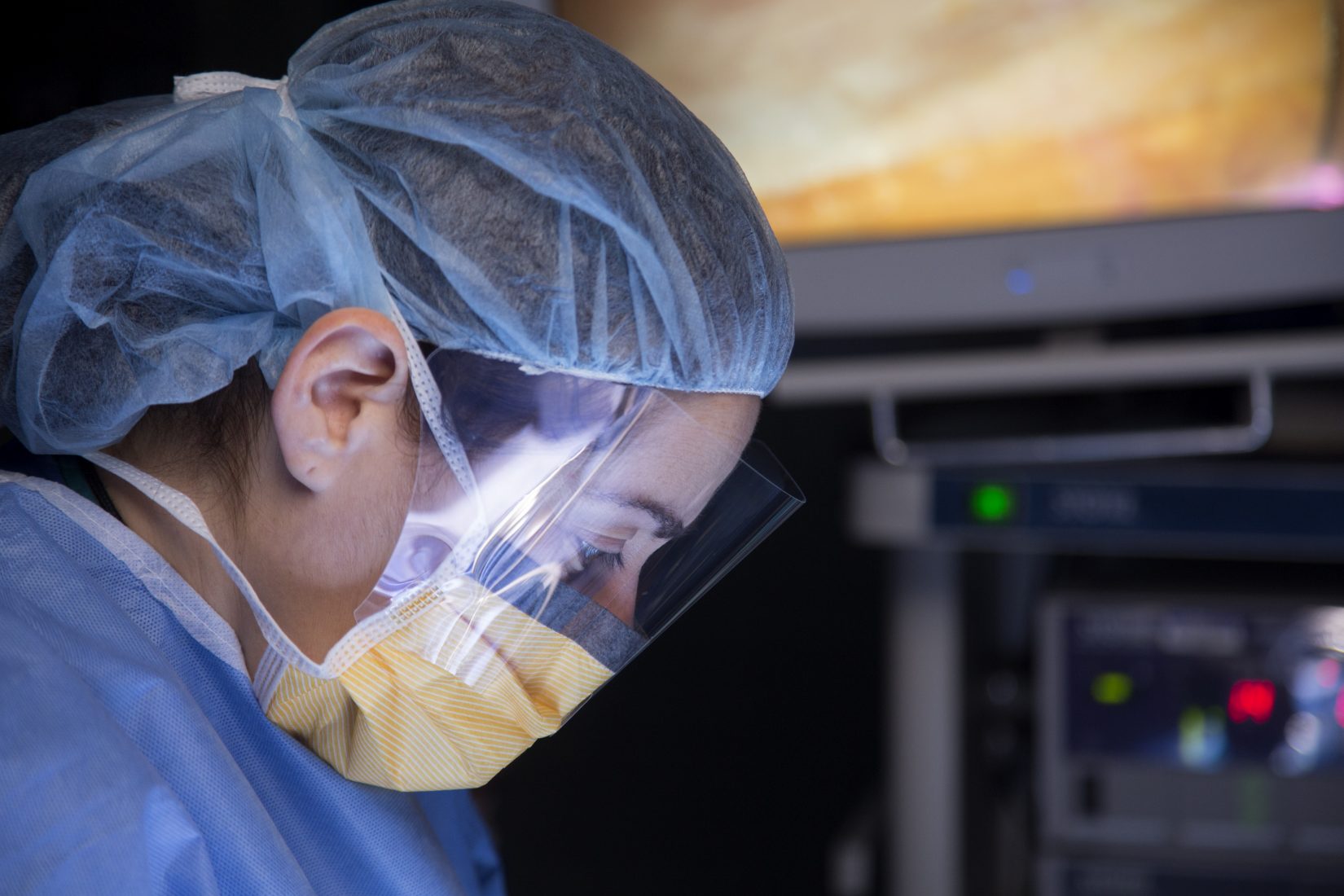
Dr. Sharyn Lewin performs robotic surgery with the Da Vinci Robot in Holy Name Medical Center. 2/6/17 Photo by Jeff Rhode /Holy Name Medical Center

Education & Experience

Dr. Lewin is an assistant clinical professor at Mount Sinai Hospital. Prior to that, Dr. Lewin was an assistant clinical professor at Columbia University Medical Center, New-York Presbyterian Hospital. While at NYP, Dr. Lewin was the first medical director of the Woman to Woman Program, a cancer support initiative. She completed her training at Memorial Sloan-Kettering Cancer Center. 

Physician of the Year

A national educator on hereditary genetics, cancer survivorship and state-of-the-art treatment for advanced ovarian cancer, Dr. Lewin has authored or co-authored over 100 articles, abstracts, book chapters, and made many presentations at scholarly conferences. She was selected for the prestigious President’s Award from the Society of Gynecologic Oncology and NYP’s prestigious Physician of the Year Award. She is a Castle Connolly Regional Top Doctor since 2015. thelewlinfund.org 

Dr. Sharyn Lewin

Steven M. Cohen, Special Advisor

The Lewin Fund has many supporters from all walks of life. The fund’s voluntary board of directors carefully vets proposals for funding opportunities. Special advisors are also on hand to provide insight and support. Steven M.  Cohen, a special advisor to The Lewin Fund, explains that partnering with and supporting The Lewin Fund is a deep passion for him. He is committed to helping with fundraising efforts, identifying strategic partnerships, and engaging in community outreach on behalf of the organization. With a background in technology and capital markets, Cohen plans to launch a hedge fund focused on blockchain and digital assets. This fund will have a strategic alliance with The Lewin Fund. Studies show women’s cancers, other than breast cancer, are poorly funded across the United States. 

Did You Know

  • 1 in 3 women faces cancer.
  • Every 6 minutes a woman in the United States is diagnosed with a gynecologic cancer.
  • Every 2 minutes a woman in the United States dies from cancer.
Categories
Doctors Featured Health Nutrition

Rx for Your Health with Internist Dr. Judy Tung

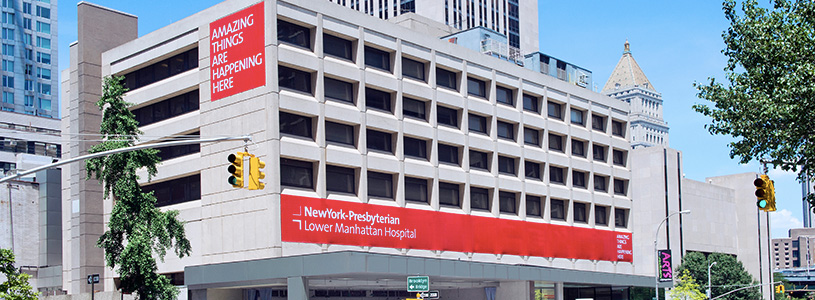
NewYork-Presbyterian Lower Manhattan Hospital (NYPLMH) is an integral part of the Downtown community. We talked with Dr. Judy Tung about diversity in medicine, how she found her way back to New York, and advice she has for women’s health.

Dr. Judy Tung is an academic general internist committed to providing high quality, comprehensive primary care. Her philosophy of practice prioritizes communication and continuity. Her clinical interests are in women’s health and preventive medicine. She is also a core faculty member in the medical college, serving as the Associate Program Director for the residency training program.

Dr. Judy Tung is a graduate of Wesleyan University and received her M.D. from Albert Einstein College of Medicine of Yeshiva University in 1997. She completed her Internal Medicine Residency program at University of California, San Francisco in 2000. Prior to joining Weill Cornell Internal Medicine Associates practice in 2001, Dr. Tung served one year as a Chief Resident in Primary Care Internal Medicine at New York University.

Downtown: What are some changes you’ve seen with diversity in medicine?

Judy Tung, M.D.: Greater awareness that health disparities exist and that to address it requires advancements in science (at how disease conditions might manifest differently and therefore need to be treated differently in specific populations), better partnerships with our community and strategic recruitment, and development of a health care workforce that reflects this diversity.

Downtown: What are some changes you would like to see?

JT: I would like to see institutional initiatives that address the above. For example, researchers at Weill Cornell Medicine and Cornell’s Ithaca campus recently established a new center to better understand why health outcomes vary among demographic groups. Through partnerships with communities in New York City and central New York, the Cornell Center for Health Equity will generate new evidence on how to eliminate such differences with the goal of achieving health equity for people locally, regionally, and nationally. Additionally, the Dean of Weill Cornell Medicine has made mentoring, particularly for women faculty and underrepresented minorities, a strategic priority for the next few years.

Downtown: How did you choose the field of medicine?

JT: I chose the field of medicine because I am fascinated by the human body and the human spirit; because illness is a universal equalizer, everyone is vulnerable to sickness, and because I enjoy empowering people to be their best selves and live their fullest life.

Downtown: Working with women, what are the most common issues among your patients?

JT: Women are often the keepers for the health of the family – they bring family members to the doctor’s, they prepare meals, and keep households still in the majority of American families. Educating women on how to take care of their physical and mental health has an impact on all members of the household.

Downtown: As an educator, are you noticing any significant changes in the next generation of medical professionals?

JT: Yes, the next generation of physicians are technologically savvy, innovative in their approaches to patient care, empowered to speak their minds, and advocate for their positions, making them an exciting group to work with.

Downtown: As someone who specializes in both women’s health and preventative medicine, what are some everyday things you feel that most women should be doing but aren’t? 

JT: I feel that many women (and men) underestimate the value of physical activity. It is easy to lead a sedentary lifestyle. But it’s important to remind everyone that the simple acts of walking or stretching can prevent injury, unintended weight gain, and cardiovascular deconditioning. 

Downtown: What do you like about working at NYP/LMH?

JT: LMH has a rich history and tradition of service, which was founded by Dr. Elizabeth Blackwell, the first woman physician in the United States. LMH has a lot of heart, and because of this, it has also become a haven for New Yorkers, especially during several tragedies, including 9/11. I think people who choose to work in this community hospital have a strong sense of mission and a true dedication to the patients and the community in which the hospital serves. Providers and staff are willing to stretch their comfort zone and go out of their way to help each other and help patients.

Downtown: Why did you choose New York City for your practice after completing your residency in California?

JT: New York City is my home. I always knew I would come back after my training in San Francisco because the city is in my blood. I enjoy the pace, the culture, the diversity and the no nonsense straight forward way of communicating.

Downtown: If you could choose one what’s your favorite thing about New York City?

JT: My favorite thing about New York City is the food. You can get any cuisine at any time in multiple locations, and sometimes the food is better than if it were cooked in the native country.

Downtown: Battery Park City, better known as the diaper district, hosts plenty of new moms – what advice can you give a new mom who cannot find time for herself?

JT: My advice to new moms (I have two girls now 11 and 14, but the toddler years are still fresh in my memory) is to remember that our children learn from our verbal and explicit lessons, but they also learn by watching our actions. If we want them to grow up eating well, exercising, connecting with friends and family, self-reflecting, and re-charging, then we have to role model it for them. Plus, sleep gives you patience!

Downtown: Where do you go for an escape from the hustle and bustle of downtown?

JT: I am a homebody and love curling up on my couch with a good book or a Korean drama on TV when I need an escape. Other ways for me to unplug is with a jog around the reservoir in Central Park, a trip to my mother’s home in Midwood, Brooklyn, or a large family cruise.

Categories
Doctors Featured Health

Laura Forese Q&A

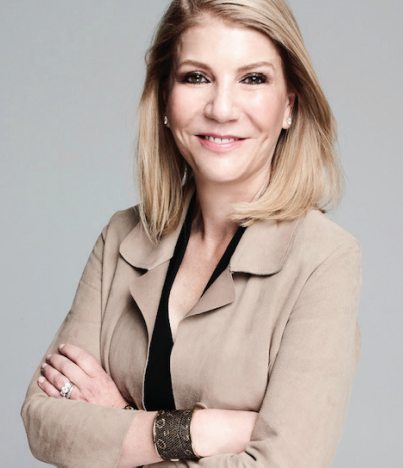
LAURA FORESE Executive Vice President and Chief Operating Officer of NewYork-Presbyterian. An orthopedic surgeon with Universities. Implemented groundbreaking employee programs like paid parental leave.

Downtown: Name three women that inspire you, and why.

Laura Forese: I am inspired by Elizabeth Blackwell, MD, the first woman doctor in the United States; by Eleanor Roosevelt who continued to make a difference across the globe well into her 70s; and my mother, Florine Forese, because of everything she taught me.

DT: What has been the secret of your success?

LF: Surrounding myself with supportive people, both personally and professionally.

DT: If you were going to pass on one piece of advice to a young woman looking for success, what would it be?

LF: Speak up. 

DT: In the fight for women’s equality, what area do you think needs the most attention?

LF: The importance of women seeing other women in leadership roles. 

DT: What are you most proud of in your career?

LF: Standing up for things I believe in. 

DT: Where do you get your confidence?

LF: From my belief that I can make things better if I try. 

DT: What makes a woman beautiful?

LF: Her sense of self. 

DT: What gives you joy?

LF: My family. 

Categories
Doctors Featured Health

Dental House in Greenwich Village is Ready to Help You Love Your Dentist

You want to love your dentist, but you might not always love visiting that special reclining chair. Dental House, a new, eco-chic dental practice in Greenwich Village is ready to make that happen. This female-owned and run practice does everything from cleanings to Invisalign®, oral surgery and even BOTOX®. We chatted with the founding partners, Dr. Sonya Kraslinikov and Dr. Irina Sinensky, about going out on their own and what makes Dental House so unique.

dental house dentists

Downtown: What made you both want to start your own practice?

Dental House: We first met at Stony Brook University Dental School and reconnected when we began working together at a private dental practice in Manhattan. We quickly realized that we shared similar dental philosophies and a shared vision, favoring a focus on conservative treatment guided by patient-centered, stress-free experience. At the time, we were both working as associates for a decade and felt the time was right to become our own bosses and do things our way, so we decided to go on a mission: to change the way people experience the dentist, and then the idea for Dental House was born.  We also wanted to set an example for our kids by becoming momtrepreneurs.

Downtown: What were the most important things aesthetically and care-wise when starting Dental House?

Dental House: Dental House’s vision statement is “Dentistry Re-Imagined,” and the driving force behind our slogan is eliminating the stigma of the dentist experience.  We wanted Dental House to offer a fresh, new vibe, with a warm, home-like feel. We created a space that features an intentional, calm interior to help patients relax and de-stress during their dental visit. The space has art-deco styling featuring European wallpaper, herringbone flooring, quartz stonework, and vintage brass elements that patients don’t usually expect when visiting a traditional dental office. When relaxing in the lounge (because waiting rooms are so last year) patients can browse the latest recipes in the number of cookbooks that we ourselves love or browse an assortment of books that are theirs for the taking.  Besides the interior, we wanted to create a practice where patients would never have to worry about whether or not they were getting the best care possible. Our office is home to a wide variety of industry-leading dental equipment and products, such as the latest digital X-ray technology, A-dec ergonomic dental chairs and advanced sterilization equipment. Environmentally friendly features include a paperless workflow, on-tap sparkling water and dental equipment that saves 360 gallons of water per day.

dental house exterior

Downtown: How did you pick the neighborhood?

Dental House: Greenwich Village was chosen strategically because it has an amazing downtown vibe. It is within walking distance of the Meatpacking District, Flatiron, Gramercy, and Tribeca — perfect for on-the-move lifestyle of Dental House patients.  The office is surrounded by the best restaurants, quaint shops, and galleries and, best of all, the most energetic, creative, community driven people NYC has to offer.

Downtown: What do you do differently from other dentists?

Dental House: Dentistry is a job of fixing teeth and improving people’s smiles. We feel that there is still a need to enhance people’s perceptions and experience of coming to the dentist.  We did that by providing a relaxing environment and amenities that can ease people’s nerves.

dental house desk

Downtown: Is chocolate really good for my teeth?

Dental House: If you had to choose a snack and curb your sweet tooth, dark chocolate, with at least 70% cocoa, is definitely the way to go.  Chocolate does not get trapped on and around your teeth and is washed away very quickly and easily by saliva.  It has special properties that leaves the tooth surface extra smooth and prevents bacterial plaque formation.


Downtown: What’s the worst things I can eat/drink for my teeth?

Dental House: We always suggest staying away from soda, sports drinks, and too much juice. Patients should try to minimize highly acidic foods such as citrus and sticky candy high in sugar content. But the key is to enjoy your food and drinks in moderation and keep in mind that the duration of time these foods are in contact with your teeth matters the most (i.e., don’t sip on your soda all day long – have it with a meal, and not as an all day activity.)