Categories
Business Real Estate

Biophilia: An Urban Necessity 

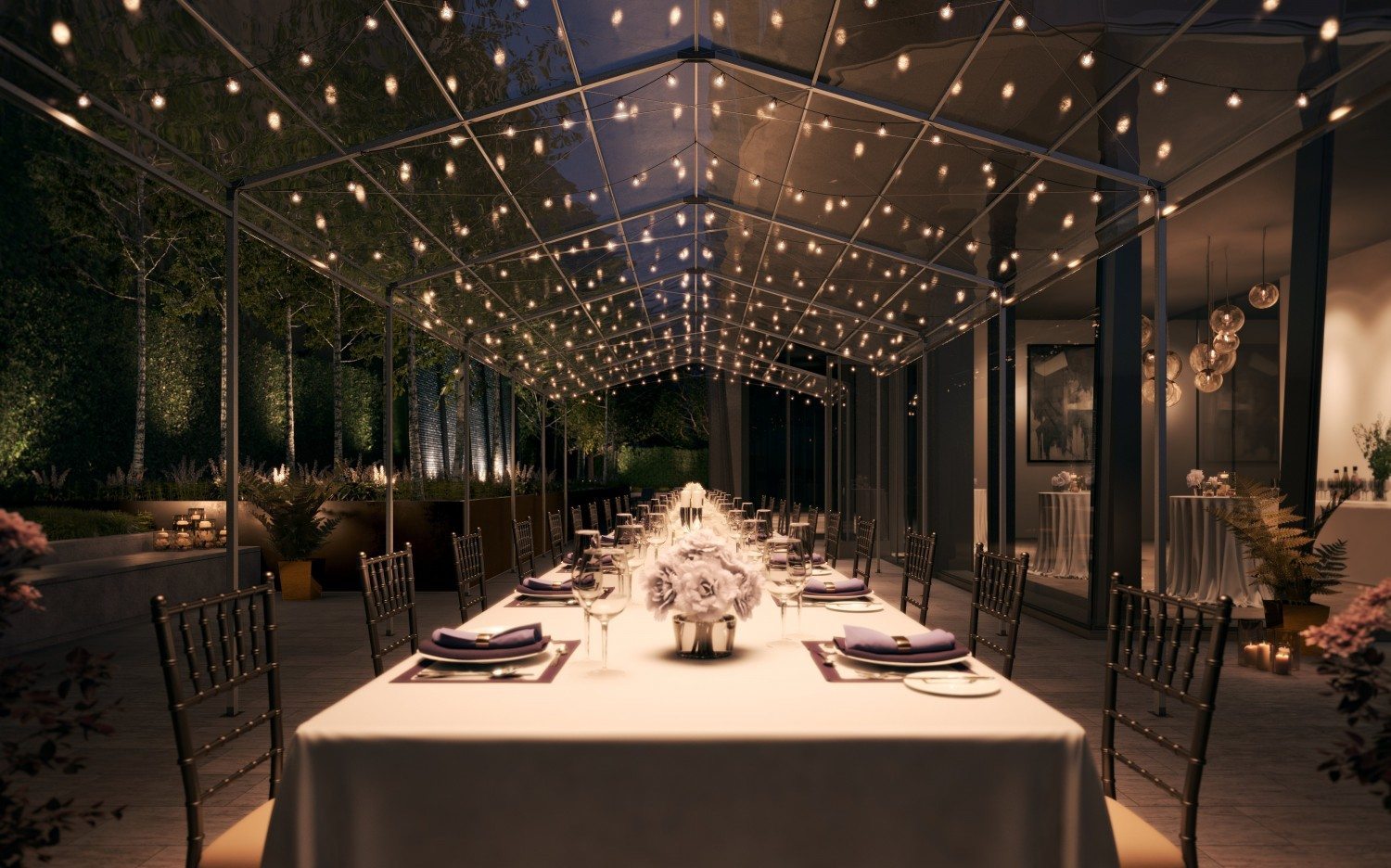
111 Murray / Photo Rendering: March

Biophilia is the human need to connect with and be surrounded by nature. I like to say that “urban biophilia” is the city dwellers’ need to connect with nature in order to maintain their sanity in all the hustle and bustle of New York City. The mere existence of greenery and open parks is based on true human need for nature. The fact that green space can be aesthetically pleasing is an additional perk! Biophilia is especially important in a cityscape where we crave a sense of psychological calm, a zen moment, here in the city.
 
According to the theory of Biophilic Urban Acupuncture (BUA), biophilic interventions in specific urban places can help improve people’s moods, connect people to place and help improve mental health. In fact, BUA is proven to be more effective in dense cities versus suburban places as urban dwellers will be walking to transit, work, shopping and restaurants.
 
Downtown, we’re seeing a rise in biophilic interventions. Most notably, and quite literally, with the revival of The High Line into one of the city’s most celebrated parks. Originally created as a railroad to transport goods in 1934, today The High Line has been preserved and repurposed with grass, wildflowers and sustainability in mind. The result is an open-air, lush escape floating above Manhattan’s concrete jungle.
 
Over on the east side of the island is a subterranean park in development called The Lowline. The Lowline will incorporate innovative solar technology that will be used not only to illuminate the historic trolley terminal on the Lower East Side, but also to showcase a variety of beautiful plants and vegetation meant to connect man and nature below our busy city streets. The vision is a stunning underground park, providing a beautiful respite and a cultural attraction in one of the world’s most dense, exciting urban environments.

Darren Sukenik
Darren Sukenik

Additionally, Brookfield Place features The Winter Garden Atrium, a 10-story glass vaulted pavilion housing various plants, trees and flowers. Currently, New Yorkers can enjoy an exhibit of palm trees in the middle of winter. The Winter Garden Atrium regularly hosts concerts, ballets and symphonies, bringing together the celebration of art with the innate desire for nature.
 
Biophilic intervention does not only take place in the shape of parks within urban environments either. Biophilic design has grown increasingly popular, and increasingly expected, in new developments as well.
 
In fact, across the county, landscape architects are being asked to create outdoor spaces — through rooftops and beyond — that are beautiful and sustainable. Environmental standards have proven to be important to buyers since they provide residents with mental benefits as a result of easy access to fresh air and sunlight. For this reason, as developers work to carefully curate buildings with green design elements and amenities that buyers truly appreciate, the inclusion of nature to the space is essential.
 
For example, the developers of 111 Murray Street tapped the expertise of landscape architect Edmund Hollander for the residents-only garden, and interior designer David Rockwell for the building’s next-level amenity spaces. Together the designers seamlessly integrate organic natural materials and the finest craftsmanship to appeal to all of the senses.

150 Charles Street brings an exquisite outdoor oasis to the heart of the West Village. The private green space of this project has grown to become the main focus of the project, and many buyers top incentive for purchasing.

In SoHo, a former chocolate factory has been reimagined into the new development, XOCO 325. The new condominium features a striking cast-aluminum façade with vertical gardens over a glass curtain wall, and integrates green living into the project’s design. In addition to vegetation scaling the building, XOCO 325 will also offer residents a private garden, green rooftop system and green cleaning program.
 
Beyond being beneficial to one’s mental wellbeing, urban greenspace is a profitable investment as well. With advances in technology creating efficient materials from refined, flexible goods, developers have seen a decrease in upfront cost, and as a result a quicker return on investment, making green initiatives more accessible.
 
Embracing biophilia in urban environments is a trend here to stay so watch out for more greenery to sprout about in and around Manhattan.

Categories
Real Estate

The Hudson Waterfront: The Manhattan Riviera?

Darren Sukenik
Darren Sukenik

There was a time when well-healed downtown New Yorkers had to jump on their private jet to enjoy luxurious beaches and seaside attractions.

 
Not anymore.
 
New York City’s enhanced outdoor living experience has convinced some Manhattanites to think twice before heading to their second or third homes so that they may embrace everything downtown New York has to offer along its thriving waterfront.
 
Instead of sitting in bumper-to-bumper traffic to the Hamptons, or enduring long lines at the airport, New Yorkers are now focused on the city’s beautiful, waterfront amenities.

150 Charles
150 Charles

 
Residents can take sailing lessons at North Cove Marina at Brookfield Place, go for a run or bike ride along the beautiful Hudson River, or practice yoga in Battery Park. Lower Manhattan boasts both privacy and close proximity to whatever a resident may need. Whether Tribeca, SoHo, Greenwich Village or West Chelsea, downtown is not only thriving, but acts as an extended amenity to residents, all while encouraging an active, healthy lifestyle.
 
The Hudson waterfront has only just begun to transform. In fact, this summer, construction began on the fantastical Pier 55 project funded from acclaimed businessman, Barry Diller and his wife, fashion legend Diane Von Furstenberg. This 2.7-acre park will float atop the Hudson River, and will include event space and amphitheater, lush greenery and lawns for sunbathing. In fact, the park will offer the public an extensive entertainment program throughout the year. Set to be complete in 2019, famed architect Thomas Heatherwick is designing the park that will greatly modernize the local, downtown landscape.


This may not be the west side’s only floating amenity — with the potential development of new floating pools, it’s only a matter of time before they hit the Hudson. New Yorkers will be able to take a dip all while taking in unobstructed views of Manhattan’s skyline from the west. New York City has put forth an initiative to filter its rivers via + POOL, so residents and visitors alike are free to swim in clean water. According to + POOL, the layered filtration system incrementally removes bacteria and contaminants to ensure nothing but clean, swimmable water that meets both city and state standards; no chemicals or additives, just natural river water. This will change the way New Yorkers enjoy the city’s outdoor activities and only create more natural, luxurious amenities. 
 
The city is not only livable because it is now amenity rich, it is actually more livable now because of a concept called urban biophelia. Biophelia, by definition, is the human need to connect with and be surrounded by nature. Urban biophelia, as I define it, is a city dwellers need to connect with nature for their sanity. In truth, people do not always realize the importance of green space and parks. Green space and parks are not meant to be aesthetically pleasing, their existence is based on true human need. People no longer want to escape Manhattan for the country — they just want to have that sense of psychological calm, a Zen moment, here in the city.
 
The expansion of outdoor living and activities downtown has led to an increased number of uptown New Yorkers to join the easy, chic living of downtown Manhattan. Downtown’s current foreign investors come from Fifth and Park Avenues, and we are only expecting this trend to grow.

Categories
Business Living NYC Real Estate

Downtown’s New Park Avenue

Darren Sukenik

Years ago, luxury buyers coming to New York would solely focus on residential properties in Upper Manhattan, especially the East Side’s Park Avenue. 

With the emergence of luxury new developments downtown, this trend is changing drastically. Uptown’s most desired amenity, Central Park, is no longer enough to compare to the architecturally impressive new developments coming to downtown with their high-end, luxury amenities.   

For example, Tribeca’s 111 Murray Street offers free-flowing, lavish social spaces offering residents places to relax and entertain within, including a patisserie, lounge and veranda, private dining room with fully-equipped demonstration kitchen and landscaped private resident’s garden. Residents will also enjoy large amenity spaces that include a 75-foot lap pool, children’s splash pool with interactive water jets, spa with private treatment rooms, saunas, a fitness center with movement studio, a Drybar hair salon, teen arcade, children’s playroom and a media room. Additionally, a carefully-crafted hammam made from slabs of stone will offer a truly authentic warming and relaxation experience steeped in the Turkish tradition.

RP-111-MURRAY-03-HERO-CROWN_NEW_BKGD_FINAL_SML-1500x1000

New York is experiencing a revolution in the way people live and downtown Manhattan offers buyers modern, intuitive design that improves quality of life. Hudson River Park provides miles and miles of bike, jogging and rollerblading lanes — all unencumbered by dangerous vehicle traffic. Hudson River Park also affords miles of curated riverfront park and recreation, where Pier 25 in Tribeca is a very exciting place to be a kid!

Wide cobble stone streets, vibrant art galleries, sexy restaurants and trendy boutiques create a riveting lifestyle downtown. While Park Avenue has grown stark and enclosed by overarching skyscrapers, West Street offers sweeping views of the city skyline and open-air vistas of the Hudson River.

Older buildings uptown require maintenance and lack convenience. Newly-minted, Ivy Grad start-up gurus are living and working downtown in addition to hip millennial families. The revitalization of Brookfield Place has even attracted the fashion-oriented crowd, with companies like Condé Nast and high-end designers like Hermes Paris moving in next to financial heavy-hitters like Morgan Stanley.

The scene is young and thriving, yet offers older, uptown dwellers a new lease on life where they can be close to their children. It has become a true lifestyle destination and chic, upscale neighborhood. In fact, contracts for downtown properties over $4 million have almost tripled this year, more than any other neighborhood in the city. Pricing is up as well, and steadily-climbing. In 2008, 200 Chambers Street sold at $1,000 per square feet. For 2016, the cost for luxury buildings per square feet has jumped to $3,000, which we are currently seeing at both 30 Park Place and 111 Murray Street. Demand is high — there is simply no other way to live like this in Manhattan. For all of these reasons, everyone wants to live downtown.