In a rapidly shifting cultural landscape, where attention spans are short, digital dominates, and tradition often struggles to hold ground, few institutions carry both the weight of history and the urgency of reinvention quite like the Théâtre des Champs-Élysées.
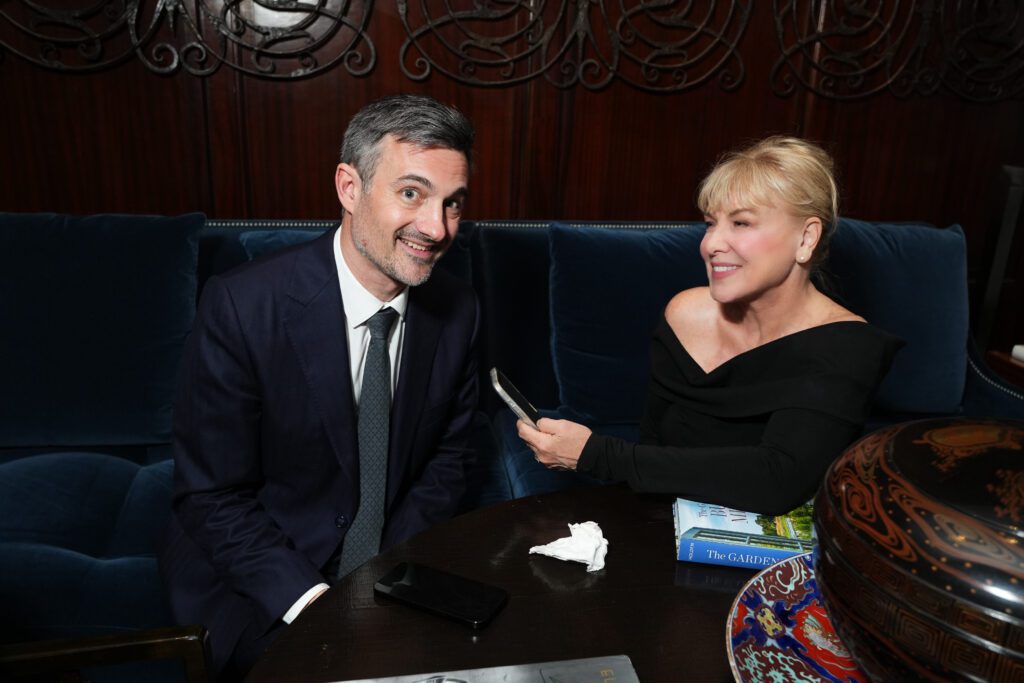
I had the opportunity to sit with the new Director, Baptiste Charroing, who approaches his role not as a preservationist alone, but as a cultural strategist intent on redefining what a historic institution can be today.
A Cultural Sanctuary in a Hyperconnected World
For Charroing, the theater’s purpose is strikingly clear, and perhaps more relevant now than ever.
“We have a big responsibility. We may be one of the last places that serves as a sanctuary, where people disconnect and reconnect with something real.”
Post-pandemic, audiences have not only returned—they’ve surged. And not just the traditional patrons.
Young audiences, in particular, are rediscovering the power of live performance—unamplified voices, orchestras in motion, and the rare act of putting their phones away.
This resurgence, Charroing believes, isn’t political. It’s deeply human.
“They need something different now. Something meaningful. Live performance gives them that connection.”
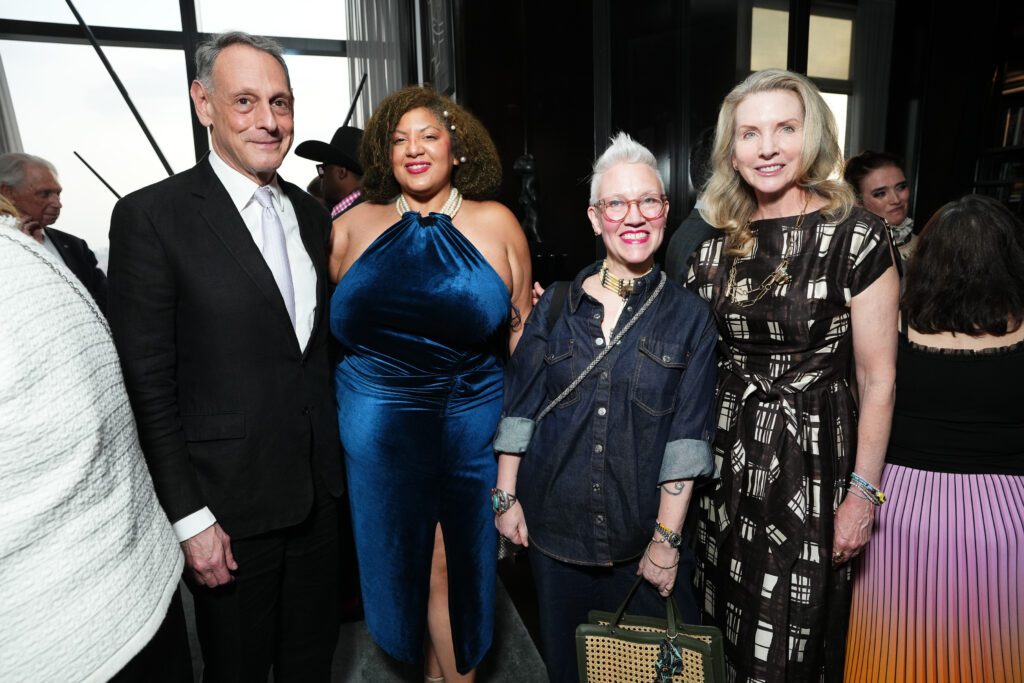
Jonathan Marder, Avalon Ashley Bellows, Amanda Hathaway and Laura Lobdell
Balancing Legacy with Bold Evolution
The Théâtre des Champs-Élysées is no ordinary venue. It is the birthplace of artistic disruption—famously tied to Igor Stravinsky and the revolutionary creative energy of early 20th-century Paris, as well as cultural figures like Coco Chanel.
That legacy isn’t something Charroing preserves quietly—it’s something he actively extends
“Creation is part of the legacy of this theater. At the beginning, everything here was new. Even scandalous. So giving the stage to new talent today—that’s not a departure. It’s continuity.”
One of his most defining decisions: a deliberate shift toward elevating emerging voices—particularly women.
Across the current season, every opera production features a woman in a leading creative role, whether as conductor or stage director.
“For one woman, you often have ten men. So you have to decide. Right now, we must create that balance.”
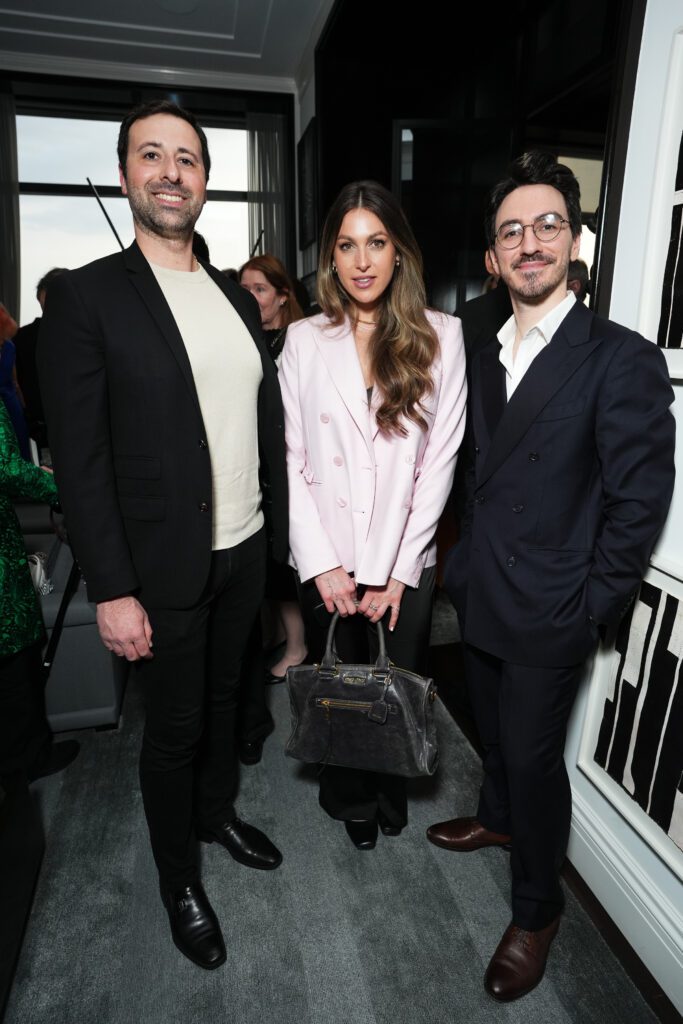
Michael Mirochnik, Lauren Lichtenstein and Chris Bloquert
Reinventing the Experience – Not Just the Program
Charroing understands something many institutions overlook: great programming alone isn’t enough.
The modern audience expects more than performance, they expect experience.
From extending intermissions to 30 minutes, to reimagining the theater’s social spaces, he’s transformed the rhythm of an evening at the theater.
The results are tangible: A 50% increase in bar revenue, and more importantly, a shift in how audiences engage.
“You have to think about the entire experience. What happens between acts? Who are people with? What do they remember when they leave?”
It’s a philosophy rooted in history. The great cultural institutions of Europe were never just performance spaces, they were social epicenters.
Charroing is simply restoring that truth.

Elizabeth Velez and Dr. Grigoriy Arutyunyan
A Space Unlike Any Other
Often compared to Carnegie Hall, Charroing resists the label.
“We are not just a concert hall.”
Unlike its New York counterpart, the Théâtre des Champs-Élysées operates as a hybrid cultural powerhouse, hosting opera, symphonic music, and international dance under one roof.
Its scale, just over 2,000 seats, creates a rare intimacy, while its artistic lineage sets it apart globally.
Designed not by a traditional architect but by artists, including sculptor Antoine Bourdelle, the building itself is a work of art. Its iconic dome, designed by Maurice Denis, remains one of its defining visual signatures.
“I’ve traveled all over the world. I’ve never seen a theater like this.”
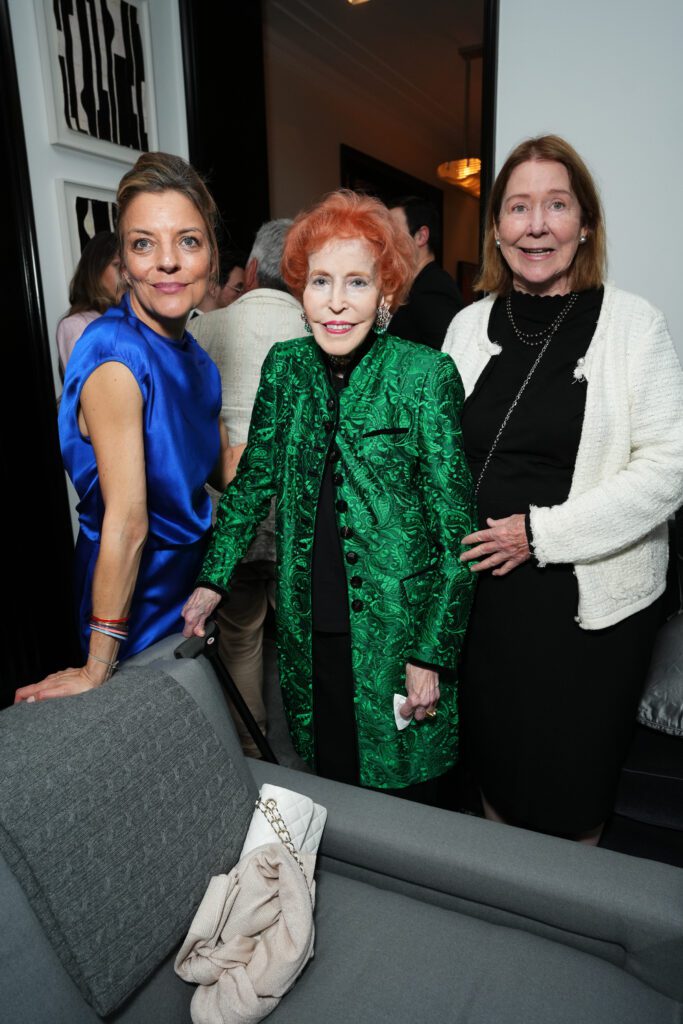
Julia Neugebauer, Marife Hernandez and Janet Hopkins
Leading with Patience and Vision
Charroing stepped into the role three years ago, but only now is the theater’s full artistic direction entirely his own.
That patience has paid off.
With a €30 million budget, a team of 100, and performances nearly every day, the pace is relentless. But for Charroing, it’s exactly where he wants to be.
“I waited for this moment. Now I enjoy every day.”
The Future Is Already on Stage
Looking ahead, Charroing is less concerned with maintaining prestige than with sustaining relevance.
His focus is clear:
- Expand access to younger audiences
- Champion emerging talent
- Preserve artistic excellence without becoming static
And perhaps most importantly, invite the world back in.
When asked how American audiences can engage, his answer is simple:
“Be curious. Come to Paris, and experience it.”
Pair a global icon like Céline Dion with an evening at the Théâtre des Champs-Élysées, he suggests. Experience both worlds. See the contrast, and the connection.

A Growing International Presence
Speaking at the event, Marifé Hernández, Co-Chair of the International Circle for the Théâtre des Champs-Élysées, emphasized the institution’s expanding global relevance.“The TCE is a unique experience—it is the Carnegie Hall of Europe. Every Parisian knows it, yet it is only now becoming more widely recognized by Americans.”
Director Baptiste Charroing reinforced that vision, highlighting a season shaped by cultural exchange and a commitment to elevating new voices.“Europeans feel close to an America shaped by immigration, creativity, and cultural exchange. This is the spirit of our season.”
He also pointed to upcoming programming that reflects this international dialogue, including a major symphonic performance of Leonard Bernstein’s Kaddish, alongside appearances by leading contemporary artists such as Cécile McLorin Salvant.
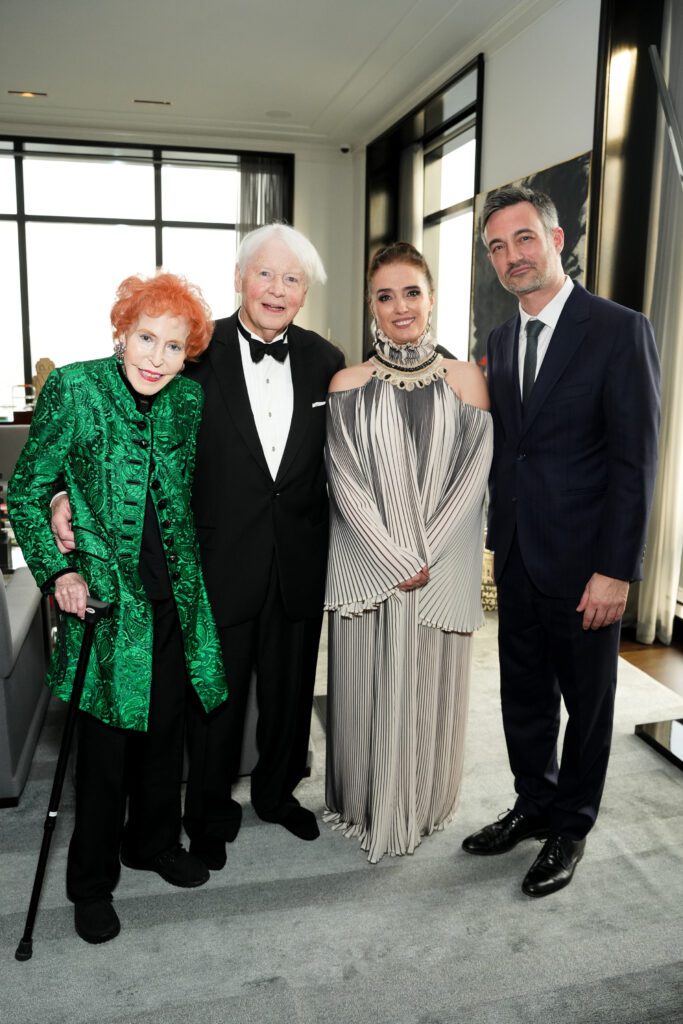
Marife Hernandez. Bruce Horten, Ermonela Jaho and Baptiste Charroing
The evening also featured a performance by acclaimed soprano Ermonela Jaho, whose upcoming appearances continue to bridge major stages between Europe and the United States.
As Julia Neugebauer of the Théâtre des Champs-Élysées noted, the institution’s International Circle has become more than a network—it is a cultural bridge.
“It is a family that brings together France and the United States.”
A Living Legacy
In the end, Charroing isn’t just directing a theater, he’s stewarding a living cultural organism.
One that honors its past not by preserving it in glass, but by pushing it forward.
“For me, this is a moment of hope.”
And in today’s cultural climate, that may be the most powerful performance of all.