A STATEMENT FROM WEILL CORNELL MEDICINE


Hurricane Dorian
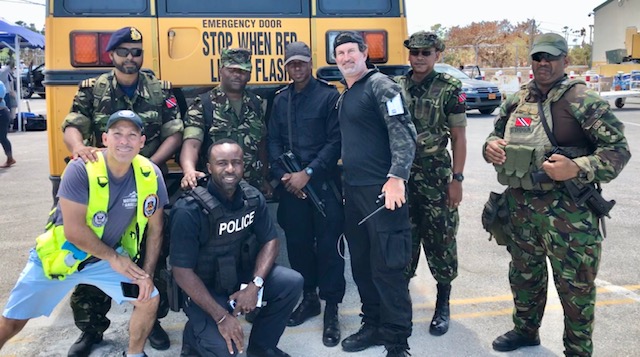
Hurricane Dorian was the most intense cyclone recorded to strike the Bahamas and the worst natural disaster in the country’s history. Dr. Michael Hall, who was in D.C. riding out a category five storm during its genesis, saw the news about the destruction in the Bahamas and felt motivated to help. He joined the Third Wave Volunteers to help run their medical component during the initial recovery a few days after the Bahamian aftermath. Dr. Hall said, “What was endearing was the stoicism of the people who had lost so much and showed great dignity during Mother Nature’s fury.”
Celebrity Clients
At the Hall Longevity Clinic in Miami Beach, Dr. Michael Hall, MD provides regenerative aesthetic, and anti-aging medical treatments, as well as general medicine, travel vaccinations and basic women’s health. Over the years, he has treated members of the Saudi Arabian Royal family, the King, and Queen of Swaziland, Simon Cowell and Blaine Trump. Drake, the rapper, gave Dr. Hall a shout-out on Instagram after a visit last year.
Social Justice Warrior
Dr. Hall is trained as a family physician and eye surgeon, a healthcare policy expert, and provided humanitarian services around the world, including to the survivors the 2004 Indian Ocean tsunami, 2010 Haitian earthquake, and the recent Bahamian hurricane. He is a published author and is certified in traditional Chinese medicine. As a social justice warrior, he has made it his cause to make health care affordable and more efficient with his medical software company, Wellskor. A helicopter pilot, Dr. Hall is a designated Aviation Medical Examiner offering FAA-required exams for commercial airline pilots. His life has been a journey of curiosity, learning and fighting for social justice.

NY Presbyterian & Weill Cornell Medical Center
As a young ophthalmology resident at New York-Presbyterian -Weill Cornell Medical Center, Dr. Hall observed cases in which African American patients were treated unfairly, and sometimes became victims of malpractice due to racial profiling by doctors. He registered an official complaint with the hospital staff and was dismissed from his duties. “I was eight months away from finishing my residency, and I was literally just thrown out,” he says. He went to the US Southern District federal court and the New York State Department of Health which found the hospital was in the wrong, but his federal judge sat on the case for three years, forcing Dr. Hall to sue his judge for relief. He took it to the New York Times, which exposed the cover-up.
Lower East Side Service Center
Dr. Hall next took a job as medical director at the Lower East Side Service Center, a substance abuse clinic, found that he loved it, and obtained a master’s degree in healthcare policy from NYU, transforming his career. “I wanted to look at the 30,000-foot view and really see what we’re doing; I had felt that medicine for me really was more at the global level because of Cornell. I was kind of forced into thinking differently about how to look at the patient.”
Volunteerism & Indian Ocean tsunami
He became a community and family physician, board-certified after a two-year residency and then moved to New Zealand to study their healthcare system. While working with the indigenous Maori, the 2004 Indian Ocean tsunami hit. He took two bags with gear donated from the community and flew on his own to Sri Lanka to join another doctor there. To help survivors, he worked with a church, visiting their multiple outreach centers and orphanages. Five of his Maori nurses from New Zealand also came at their own expense. “It was a beautiful experience,” he says.
Traditional Chinese & Maori medicine
While working with the Maori, Hall learned about natural and plant-based medicine, and then went on to work with indigenous peoples in Hawaii, Montana, and Maine. “I found that to be a pivotal point to understand our real human connection to one another, these tribes of people all over the world use local plants, sustainable diets and ancient implements to heal themselves. “That led him to a fellowship in traditional Chinese medicine at the University of Miami, combining a holistic component with Western medicine. “Then anti-aging just made sense because obviously it’s conscious awareness and real preventative medicine.” He attends conferences with top scientists who are “trying to crack the code on what goes on in the body as we age.”
Downtown Favorites
When Dr. Hall is in New York he likes to stop by Raoul’s for their Steak au poivre and Balthazar for their soft-boiled eggs and fresh bread and coffee. On a Sunday, you might find Dr. Hall at Lupes East LA Kitchen enjoying Margaritas and burritos with friends. hallongevity.com
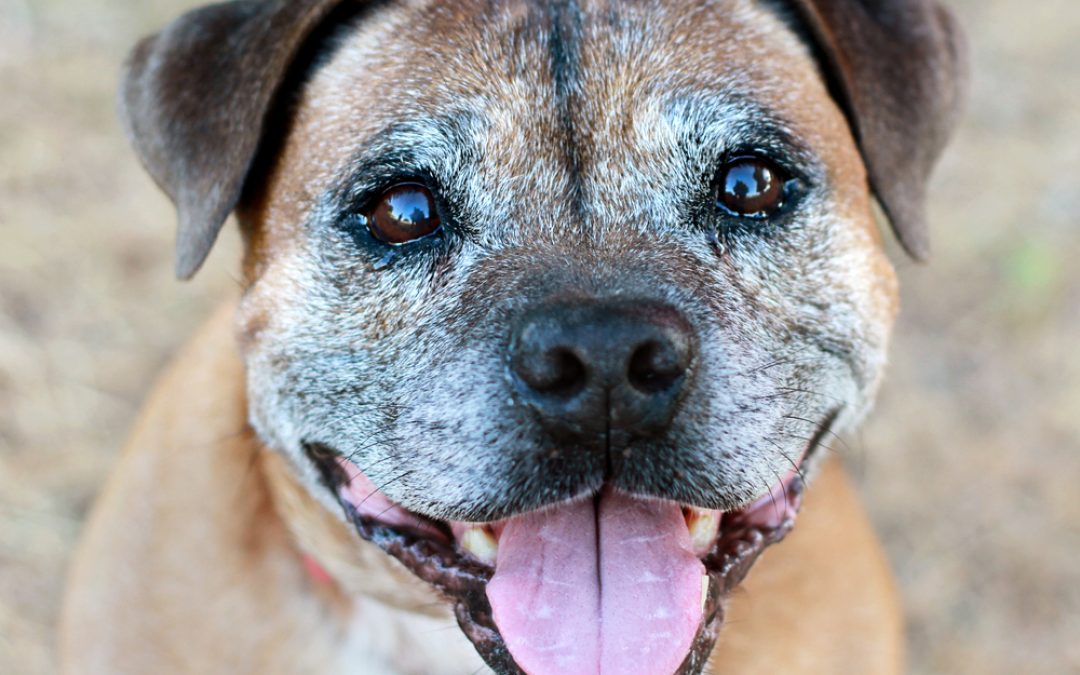
Having a pet in your life is an enriching journey. All the memories you make with your pup keeps getting special with every day. When your dog gets older, they stop becoming active. The need for your senior dog is different from that of a younger dog. Many pet owners abandon their pets when they get older. But taking care of your senior pet is your duty as a pet parent. Taking care of your senior dog is not a tough task, you only need to keep their needs in mind
Nutrition
An older dog has a different dietary requirement than younger dogs. Your senior dog may no longer be able to crunch down on dog food. When it comes to dry dog food you need to buy the best senior dog food that is suited for the dietary needs of senior dogs. Senior dogs need a meal that is low in calories since your dog might not be able to be as active. They also need a low protein diet to not put stress on their kidneys. High fiber diets are a necessity to help your senior dog combat constipation.
Sleeping Space
Older dogs tend to prefer having their own space. Create a corner for your dog far from the household activity. The corner needs to be one where your dog will not feel too cold or too hot. If the space is too cold, then you can add some cushions or a dog bed to make your dog comfortable. For warm weather, you can only let your dog lay down on the nice cool floor. Older dogs can catch a cold easily so make sure your dog is nice and warm.
Vet Visitation
Visiting your vet should be a more frequent activity. Even if your dog seems to be healthy, you should get regular check-ups done. Medicines, like dog Interceptor for Heartworms, should always be administered after your vet recommends it.
Medication
There are many medicines that you might need to give your dog. Supplements can help your dog stay healthy. Dog Interceptor for Heartworms is essential for senior dogs. Any parasitic infestation can cause multiple health problems for your older dogs. The dog Interceptor for Heartworms can help combat many other kinds of worms as well. You can administer supplements and dog Interceptor for Heartworms after your vet recommends them.
Exercise
With age, your senior dog will become a little less active. With age taking a toll on their bodies it is sensible to give them the rest that they need. Cut down on the adventures that you used to have with your dog if they are no longer able to muster the strength. At the same time, you do need to give your older dog a bit of exercise to keep them active and healthy.
Modify Your Home
Your dog may not be as agile as they used to. Making a few modifications to your home can make it easier for your senior dogs to get around. Add ramps next to furniture if they have a habit of sitting on furniture. Add carpets around the house to make it easier for them to grip the floor when they walk.
Small changes can help your senior dog live in comfort.

For the 14th consecutive year, NewYork-Presbyterian Hospital earned a spot on U.S. News & World Report’s prestigious “Best Hospitals” Honor Roll. The hospital ranks No. 6 on the Honor Roll, which recognizes national excellence in multiple specialties. In addition, the hospital again earned the top spot among all hospitals in the state and metro region.
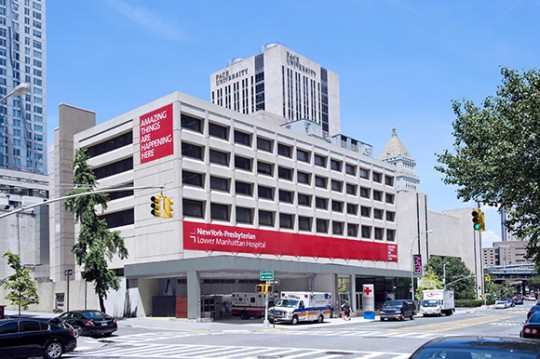
A preeminent health care resource for the New York region and beyond, NewYork-Presbyterian comprises six campuses, including NewYork-Presbyterian/Lower Manhattan Hospital at 170 William Street, which is the only full-service, acute care and emergency medicine hospital south of 14th Street. The 180-bed facility serves the 750,000 people who work and live in Lower Manhattan.
NewYork-Presbyterian Hospital ranks second in the nation for neurology/neurosurgery and psychiatry. The hospital also ranks in the top five in four other specialties: cardiology and heart surgery (No. 3), nephrology (No. 3), rheumatology, a collaborative program with the Hospital for Special Surgery (No. 3), and urology (No. 5). In four additional specialties, NewYork-Presbyterian Hospital ranks in the top 10: diabetes and endocrinology (No. 6), geriatrics (No. 6), gastroenterology and GI surgery (No. 8), and pulmonology (No. 8). The hospital also ranks among the top 50 hospitals for cancer; ear, nose and throat; gynecology; orthopedics; and rehabilitation, and is recognized as “high performing” in ophthalmology.
NewYork-Presbyterian/Lower Manhattan Hospital offers a broad range of clinical and surgical services, as well as seamless access to the depth and resources of NewYork-Presbyterian.
Question: What do you get when you cross MTV’s The Real World with Fox’s House?
Answer: NY Med, ABC’s hit series about the highs and lows of hospital life.
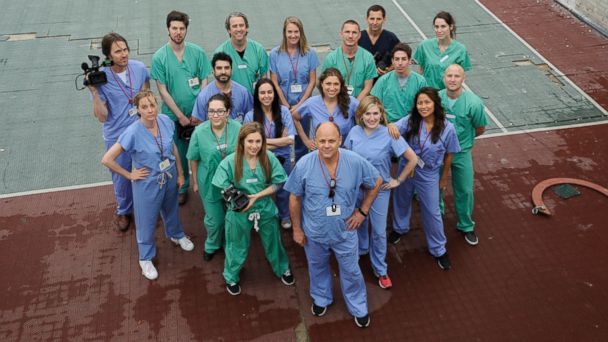
New York Presbyterian Hospital has partnered with ABC to create one of the most thrilling medical shows on television today. NY Med tells the stories of real patients, doctors, and families, documenting everything from diagnoses and procedures to heartbreak and relief. After a successful first season, this one-of-a-kind documentary series is returning to ABC tonight for round two.
“The first series of ‘NY Med’ vividly showcased the outstanding, cutting-edge medical care we provide,” says Dr. Steven J. Corwin, Chief Executive Officer of NewYork-Presbyterian Hospital. “More importantly, every episode reflected our hospital’s culture of caring and compassion, and the dedication of our physicians, nurses, and staff.”
NY Med has something for everyone – drama, medicine, and thrilling suspense. Make sure to check it out, Thursdays at 10pm on ABC.
-Linda Tell
Brooklyn local Alex Winston is a tiny lady. So small, that at certain points during her show at Le Poisson Rouge this past Saturday night, she disappeared completely from my line of sight, lost in the sea of concertgoers.
Her voice is another story. It’s amazing to hear such powerful and controlled sounds come out of such an innocuous-looking person. While Winston’s debut LP from 2012, King Con, successfully showcases her skills as a singer-songwriter, her live performance is a much better measurement of her personality and prowess. (At one point an audience member handed her a pineapple and she held it over her head and said, “what the fuck?”)
The show opened with a few of the catchier tracks on King Con, “Velvet Elvis,” and “Locomotive,” during which Winston excitedly stalked the stage, whipping her long dark hair back out of her face. She also graced the audience with a few new songs in the middle of her set, including “Houdini” and “101 Vultures,” which were recently debuted as a part of The Wild Honey Pies’ “On the Mountain” series.
Winston’s versatility is impressive. At one point in the show, she jumped up on top of the bass drum to sing the bright pop tune “Medicine,” a highlight of the evening, especially because it ensured her visibility for the entire crowd. But during the encore she stood somberly in the center of the stage with her acoustic guitar for the vulnerable “Don’t Care About Anything,” accompanied by a lone violin.
The best kind of indie pop manages to sound sweet and catchy, while remaining gritty and honest, and Winston achieves exactly that. Her energy is palpable when live, and her spirit is both fun and flippant. Go see her this summer if you get the chance—so you can say you knew her before she was big.
-Catherine LeClair